HelioGrid

0%Charging

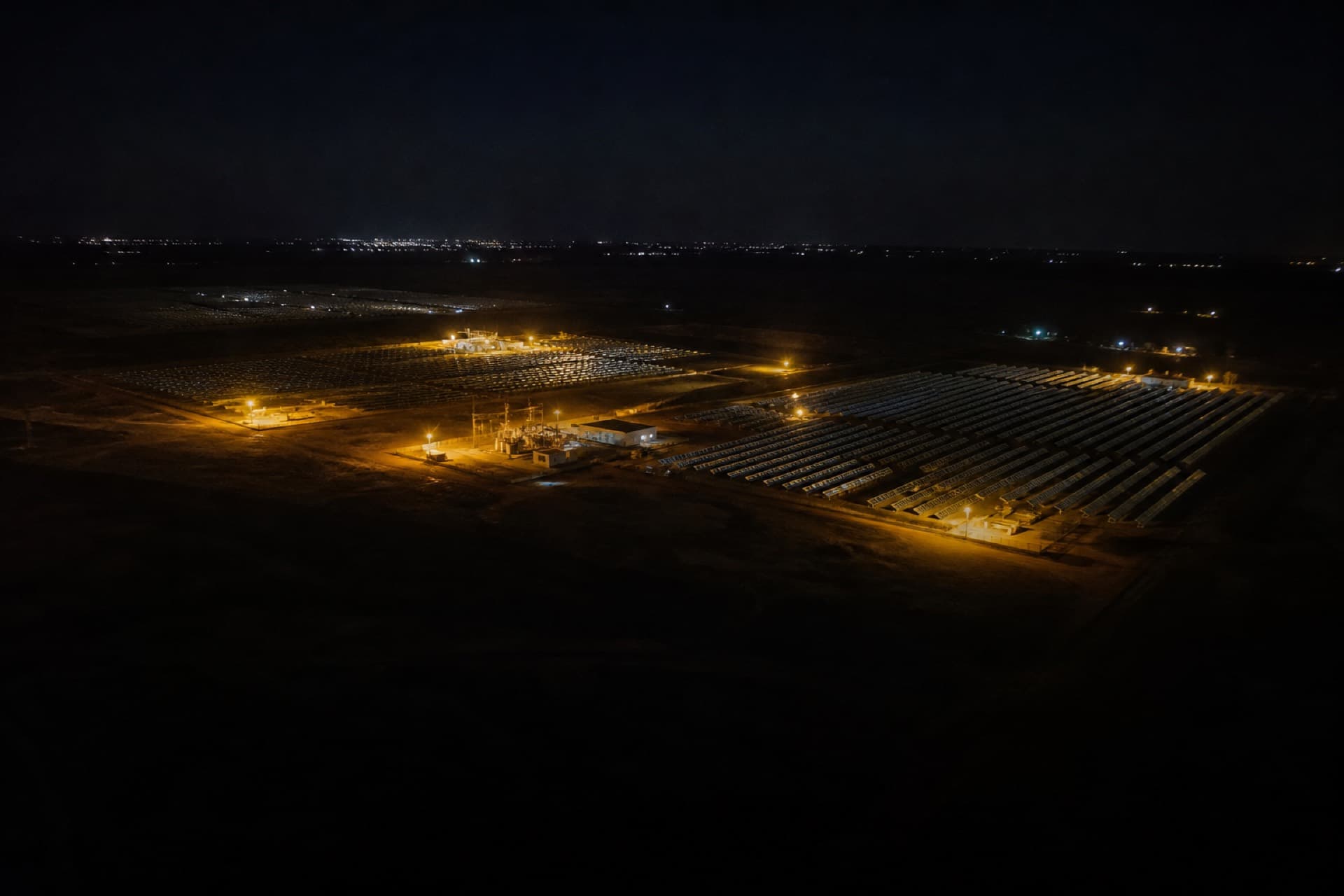
Aerial dusk view of a utility-scale solar fleet

Commercial and industrial solar

IndustrialPower.LocalControl.

The control room for solar fleets. Every roof reports into one operating picture.

What it is

Local energy monitoring and control for solar fleets.

Who it is for

Operators of commercial and industrial solar assets.

Why it matters

Find faults earlier, cut downtime, keep more kWh on the roof.

In the field

Hourly

Settlement hash on every period

On-roof

Thermal video stays at the gateway

One room

Telemetry, dispatch, and credits

Your region

Hosted where the fleet operates

Used on

  • Commercial rooftops
  • Community arrays
  • Parking canopies
  • Ground-mount fields
  • Industrial campuses

The product

Energy becomes infrastructure.

Operators run the fleet from one room: thermal alerts, surplus dispatch, and hourly credits members can actually read. HelioGrid replaces the vendor portal, the quarterly PDF, and the spreadsheet that tries to hold them together.

Solar module on an automated production line

Edge-native

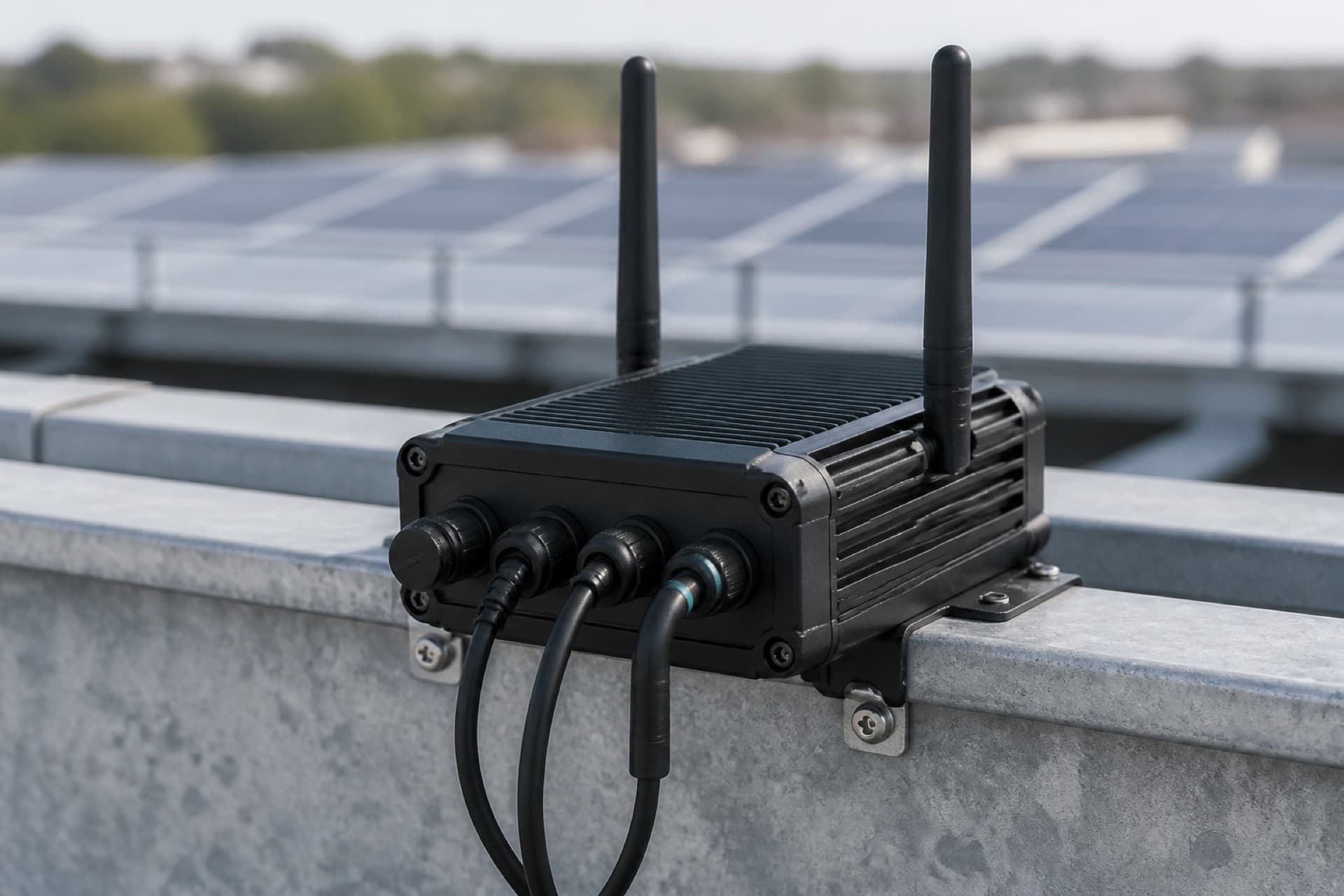
On-roof gateways

Multi-region

Hosted where you operate

Fleet dispatch

HVAC on solar surplus

Ledgered

Hourly community credits

The console

The room operators actually sit in.

Fleet map, thermal alert, member credit. Three surfaces, one product — not a vendor portal stitched to a quarterly PDF.

HelioGridFleet consoleLive
  • Austin Logistics Hub

    Austin

    degraded312.4 kW
  • Phoenix Cold Storage

    Phoenix

    nominal224.9 kW
  • Atlanta Retail Park

    Atlanta

    nominal171.2 kW
  • Chicago Assembly Plant

    Chicago

    offline0.0 kW
  • Seattle Port Warehouse

    Seattle

    nominal96.3 kW

Thermal alert

Hot-spot · string S3

Austin Logistics Hub · +21.4°C above array median. Module id is already on the work order.

Member credit

$47.83 this month

Avery · Riverside Solar · 25.8 kWh share today. The hour posts a hash the chair can read.

Preview of the HelioGrid fleet console, a thermal string alert, and a member credit balance.

Where operators put it to work.

HelioGrid is the control room for solar fleets. It is used on commercial roofs, community arrays, parking canopies, and ground-mount fields. Not a vehicle fleet. Not a wholesale offtake desk.

01

Commercial rooftop fleets

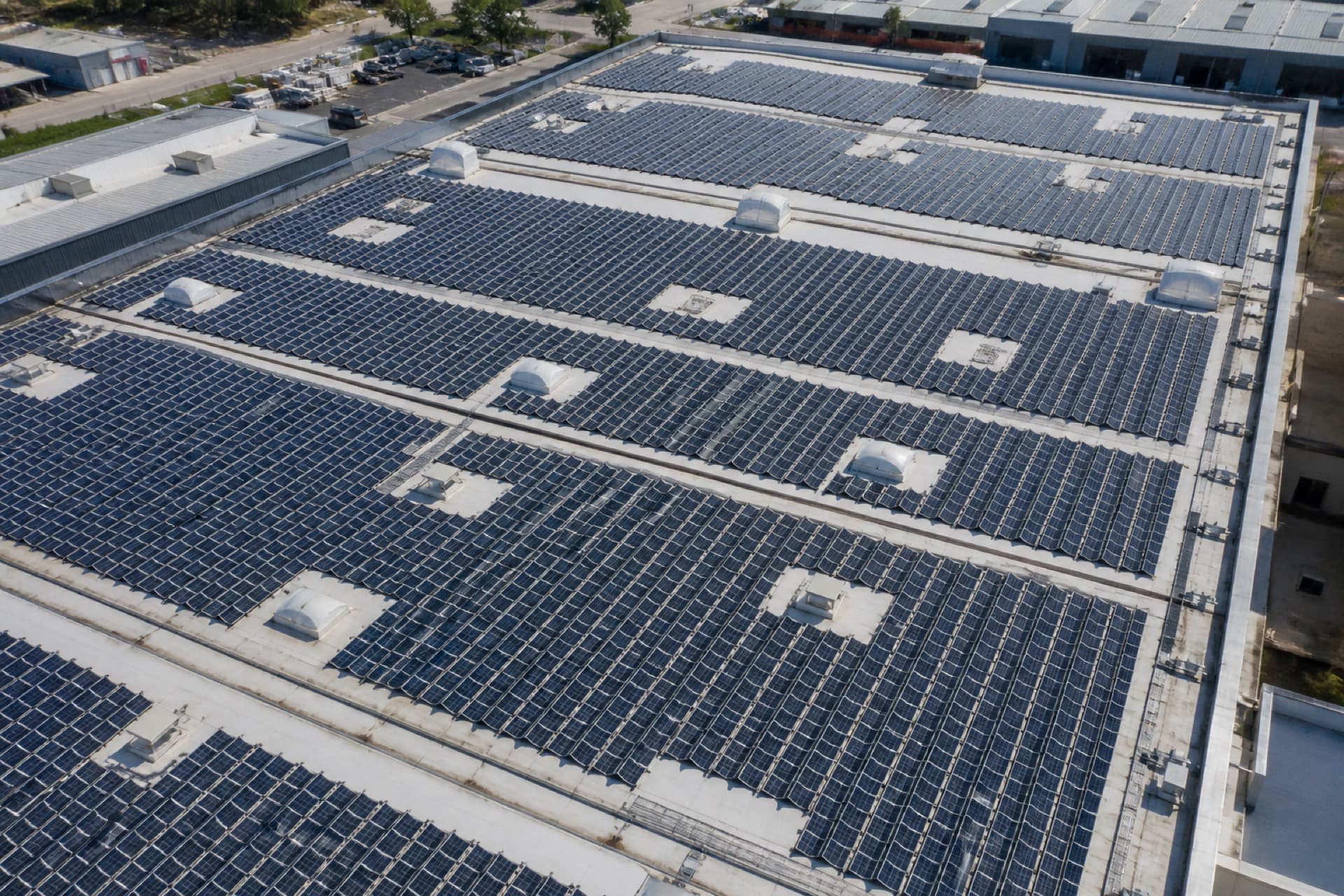
O&M teams run malls, warehouses, and office decks from one console. String health, generation, and open work orders sit in the same room so a dark inverter is visible before the tenant calls.

  • Portfolio map of every roof and inverter
  • Thermal string alerts from the edge gateway
  • Work orders with the module id already filled in

02

Community and shared solar

Members open the hour and see the credit. HelioGrid posts an auditable share of generation instead of a quarterly PDF nobody can check.

  • Hourly credit ledger members can read
  • Shared self-consumption versus surplus export
  • Settlement hash finance can sign off

03

Parking canopies and campuses

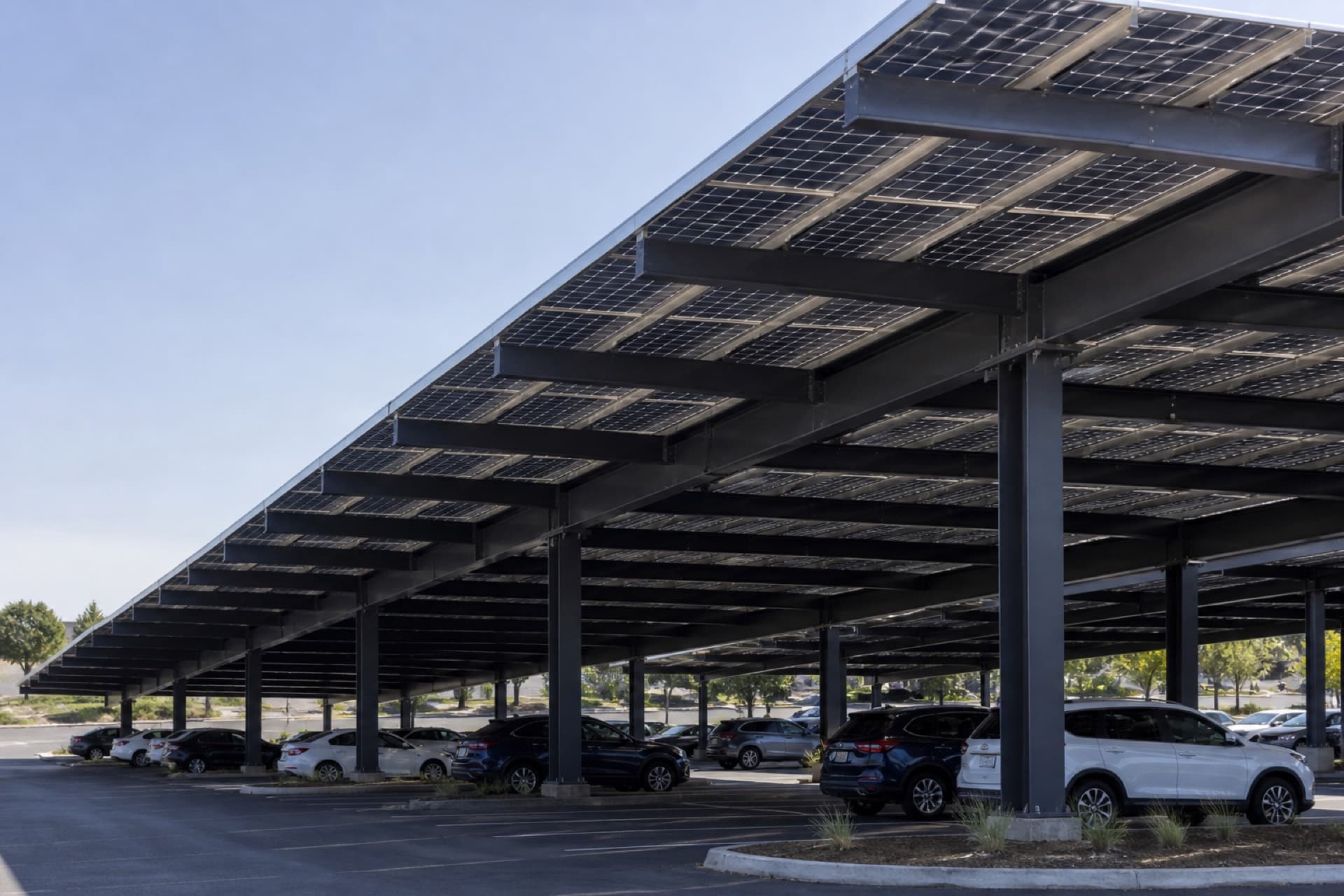
Car-park arrays and mixed-use campuses generate while people are on site. Surplus can pre-cool the attached building instead of dumping to the grid.

  • Canopy and facade treated as live assets
  • HVAC dispatch on solar surplus hours
  • One operating picture across lots and roofs

04

Utility-scale and ground mount

Open-field rows are the core fleet case. Live kW, thermal drift, and hashed hourly output stay in one ledger so operations and finance argue from the same numbers.

  • Field-scale thermal watch without raw video off site
  • Append-only hourly settlement
  • Export for billing and audit

Indicative model

Estimate your savings

Visualize the bill cut from location, panel type, and system size. Not a forecast.

Want to learn more? Our products

Bill savings

$0

Estimated per month

Energy generation

0.0kWh

Estimated per month

  • 165 W/m2 panel power
  • Loading sun data
Scope a deployment

Local control

Shorter operating loops.

Detect, diagnose, dispatch, resolve. The work stays on the roof instead of waiting on an overseas vendor.

01 Detect

12m

Hot-spot flagged on the roof

02 Diagnose

24h

Alert reaches the operator

03 Dispatch

48h

Engineer on site

04 Resolve

1h

Settlement posted to the ledger

The stack

Different roofs need different control.

What the platform actually does.

Six capabilities sit in one product. Telemetry, alerts, dispatch, and settlement are not separate tools stitched together after the install.

01

Live fleet telemetry

Every inverter, string, and battery reports into one operating picture. Operators see which roofs are nominal, degraded, or offline without opening a spreadsheet or a vendor portal.

02

Edge thermal CV

On-roof models watch modules for hot-spots. The alert lands in the console with the module id. Raw video stays on site, so a WAN drop does not stop the watch.

03

HVAC surplus dispatch

When the roof is in surplus, HelioGrid can shift building cooling into those hours. The same console that sees generation can move load, instead of treating HVAC as a separate system.

04

Hourly settlement ledger

Each hour posts a hash. Community credits, shared self-consumption, and export are recorded in an append-only trail finance can export. No monthly reconciliation from a pile of CSVs.

05

Member-readable portal

Households and tenants open the hour and see the credit. The portal is built to be read like a balance, not like SCADA. Language can follow the household.

06

Multi-tenant operations

Each operator workspace keeps its own sites, users, and brand. Platform admins can stand up a client and meter usage without mixing one fleet into another.

Ingest

Works with the gear you already have.

The edge gateway speaks the protocols on the roof. HelioGrid is not a forklift replacement for inverters, meters, or the BMS.

Modbus

Inverter and meter registers over the wire you already run.

MQTT

Telemetry from gateways and sensors without a new protocol war.

BMS

Battery state of charge sits next to roof output, not in another app.

HVAC

Surplus hours can pre-cool the building attached to the array.

Inverters

Vendor-agnostic ingest. The console does not care whose badge is on the box.

Weather

Irradiance context so a derate is visible against the sky, not a guess.

HelioGrid flagged a failing string three weeks before our thermography contractor was due.
Elena Park · Head of O&M, Summit Solar
We reduced downtime in the first quarter.
Marcus Hale · Portfolio Lead, Northline Energy
Members can finally see the hourly credit.
Ines Navarro · Community Chair, Harbor Solar

How we charge

A seat for the fleet, not a surprise invoice.

Monthly platform fee in USD, sized to included MWp, sites, and gateways. Overage and settlement runs are metered. We stand the tenant up after a review — there is no self-serve checkout.

First roofs

Starter

$190 / month

  • 1 MWp included
  • 3 sites · 3 gateways
  • Hourly settlement runs

Multi-region

Enterprise

$1,450 / month

  • 12 MWp included
  • 40 sites · 40 gateways
  • Metered settlement at the lowest run rate

Book a review against your own roofs. We map the fleet, pick the plan, and brand the workspace before anyone signs in.

Book a review

Trust

Control without shipping the roof off-site.

Region you choose

Hosted where the fleet operates. Residency follows the customer, not a single HQ cloud.

Tenant isolation

Row-level security keeps one operator’s sites, users, and ledger out of another’s workspace.

Video stays on site

Thermal frames run on the edge gateway. The console gets the alert and the module id, not the raw stream.

Append-only ledger

Each hour posts a hash. Finance and the community chair export the same trail.

Questions operators ask.

Short answers. If your roofs are already up and the reporting is still a spreadsheet, start here.

What is HelioGrid?

HelioGrid is a control room for solar fleets. It watches commercial and industrial roofs, flags failing strings, dispatches surplus into building load, and posts hourly credits members can read.

Is this a vehicle fleet or a trading desk?

No. Fleet here means every solar site you operate: rooftops, facades, canopies, and ground-mount fields. It is not a vehicle tracker and not a wholesale PPA or government offtake marketplace.

Who uses it day to day?

O&M operators run the console. Community members open the portal for hourly credits. Platform admins stand up tenants, brand the workspace, and meter usage. Field technicians receive work orders with the module already identified.

What runs on the roof versus in the cloud?

Thermal computer vision and protocol ingest (Modbus, MQTT) run on the edge gateway. Fleet maps, dispatch, settlement, and the member portal run in the cloud region where you operate.

How do community credits get calculated?

Generation for the hour is split by the agreed share. Self-consumption and surplus export are recorded separately. Each hour posts a hash to the settlement ledger so finance and the community chair see the same number.

Where is the platform hosted?

HelioGrid is hosted in the cloud regions you operate in. Data residency follows the customer. It is a global product, not tied to a single geography. Thermal video stays on the edge gateway; the console receives the alert and the module id.

How do you charge?

Three monthly plans in USD: Starter $190, Pro $490, Enterprise $1,450, sized to included MWp, sites, and gateways. Overage and settlement runs are metered. We stand the tenant up after a review — there is no self-serve checkout.

Can I model a project before we talk?

Yes. Scope a deployment by site type, what must stay visible, and who signs in. Download a branded brief of the HelioGrid modules we would stand up. It is not a hardware quote.

Who builds HelioGrid?

HelioGrid is a product of Shichifukutekx. Book a review at shichifukutekx.ai if you want the console walked through against your own roofs.

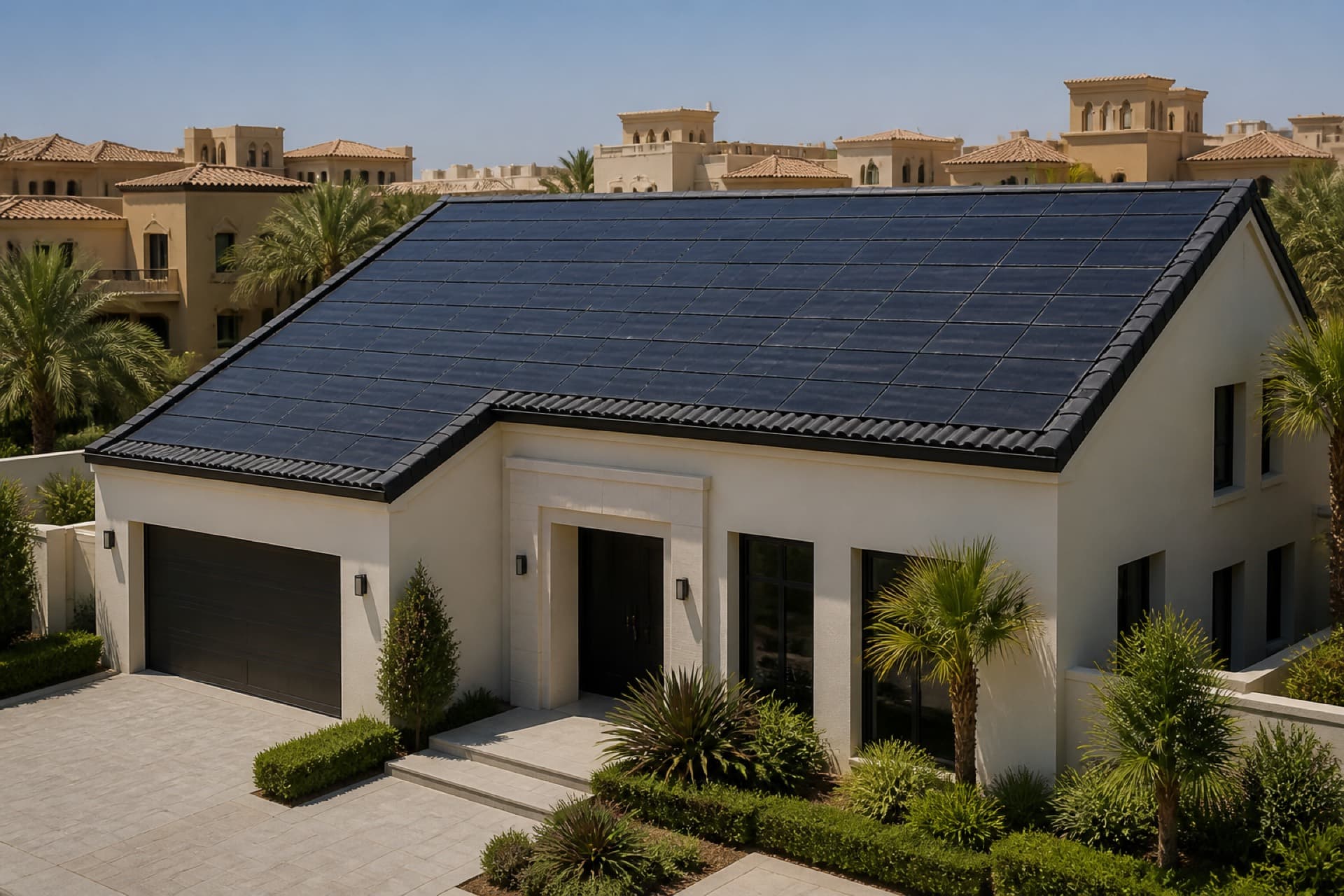
Commercial rooftop solar array under hard desert sun

The roof

Designed for extreme heat.

Modules and on-roof models are built for high ambient, not a temperate lab.

Scope a deployment